2026 Outlook: Salary sacrifice growth forecast as used EVs and cheaper models prevail.
Key Insights and Implications
According to the BVRLA Industry Outlook report, the leasing sector is entering 2026 with a mix of opportunities and challenges, reflecting evolving employee preferences, regulatory pressures, and shifts in vehicle supply.
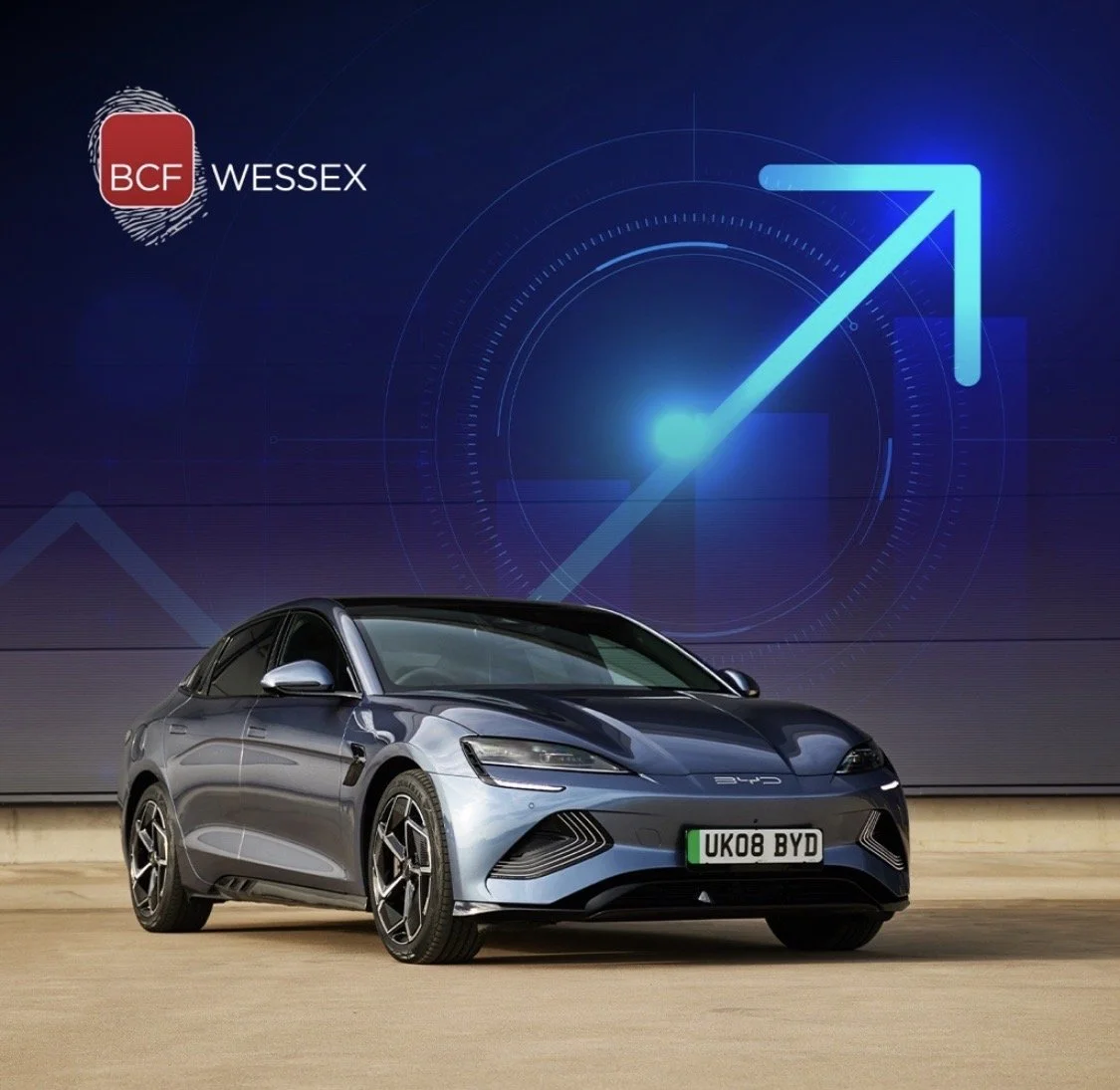
Projected salary sacrifice growth
A clear trend identified by the BVRLA is the growing importance of salary sacrifice, with 90% of leasing companies anticipating an increase in uptake among large corporate customers, as employees increasingly seek cost-efficient ways to access vehicles, particularly electric vehicles (EVs), as part of their overall compensation package.
Entry-level EVs
The projected double-digit percentage-point growth in salary sacrifice is attributed to cheaper EVs flooding the market and the increased availability of used EVs, which enable lower-paid employees to access the market and take advantage of the savings salary sacrifice offers. Cheaper models are expected to be all the rage, but more traditional luxury brands could suffer as ongoing residual value (RV) pressures make their cars appear more expensive.
Used EVs
Driven by the BVRLA, proposals to change the way Benefit in Kind (BiK) tax is applied to used EVs has been gaining more traction recently. If enacted, this could be a further avenue for EV adoption which would also benefit the salary sacrifice market.
With leasing companies striving to minimise RV losses by re-leasing cars which have come to the end of their lease, or which have been returned early, rather than selling them to consumers at significantly reduced market values, there are clear arguments supporting an updated BiK tax approach for used EVs in order to incentivise more people to select a used EV.
To reflect the increased demand for used EVs, BCF Wessex will be launching a live quotation feature for used EVs on our Gensen salary sacrifice platform. The feature will allow users to view, quote on, and order real used EVs through the portal, as they do with a brand-new car.
Increasing availability of lower-cost Chinese-made cars
Chinese-made cars are also expected to gain a stronger foothold in the UK market, using salary sacrifice as a major avenue to do so, with 43% of leasing companies predicting an increase in volumes.
This rise could have several implications:

BYD Seal - one of the most popular Chinese-made cars of 2025
Firstly, it should improve the diversity and affordability of EV options, particularly in the sub-£37,000 segment, where 70% of firms anticipate growth. Although the swathe of Chinese cars now available in the UK don’t qualify for the grant, the manufacturers’ desire to grow in the UK market has prompted many to offer discounts equal to the maximum grant available. As drivers are drawn to cheaper EVs, Chinese manufacturers will surely be top of the list for many, as already evidenced by the market share taken by BYD, Omoda and Jaecoo in 2025.
Secondly, the increasing availability of lower-cost EVs aligns with government and corporate ambitions to support electrification, making it easier for SMEs and employees with tighter budgets to transition.
The effect of increasing stealth taxes
Salary sacrifice is also expected to benefit from continuing economic uncertainty, prompting more people to lease cars, rather than buying, as they seek to preserve their cash. Increases in stealth taxes, resulting from frozen income tax thresholds, alongside the withdrawal of the personal allowance, the clawback of child benefit, and the withdrawal of free child care for higher earners, are also expected to boost the attractiveness of salary sacrifice as employees look for ways to offset their increasing tax liability.
Salary sacrifice conclusion
Despite a general increase in EV interest, the market shows signs of complexity. While demand for Business Contract Hire (BCH) remains stable, salary sacrifice is surging, highlighting a nuanced consumer behaviour, whereby employees are willing to take on EVs if structured efficiently through benefits programs, whereas retail consumers have been hesitant to choose an EV due to their relatively higher costs compared to internal combustion-engined (ICE) cars.
BCF Wessex will launch new features on its Gensen salary sacrifice platform to reflect the expected surge in salary sacrifice popularity in 2026. On top of live ‘used’ EV quoting, the option to include a home charger in the cost of the salary sacrifice at the point of use, and an enhanced checkout procedure to give users more control and information on their order will both be launched in the early months of 2026.

Hyundai Ioniq 5N electric car - popular on salary sacrifice
General overview
The Electric Light Commercial Vehicle (eLCV) market is suffering from mismatched expectations: supply is touted to increase, yet demand is declining. The ZEV mandate requires manufacturers to produce a certain number of electric models, but the market isn’t yet interested enough to meet the required supply; difficulty sourcing eLCVs, poor charging infrastructure and continued range anxiety, compounded by high costs compared to diesel vans and lower return on investment, are just some of the reasons seemingly accounting for the lower demand.
RV deterioration for EVs is projected to continue into 2026. This trend could directly influence EV adoption, as funders seek to absorb the risk by increasing rentals. If RV erosion continues, companies may need to reassess fleet policies, contract lengths, and employee communications to maintain EVs' appeal and cost-effectiveness.
Meanwhile, within the SME market, a “two-tier” system appears to be emerging, with larger companies more likely to adopt comprehensive EV policies, whereas smaller companies may struggle. This divergence could shape leasing strategies, with suppliers requiring tailored approaches to meet the differing needs of SMEs and other corporate clients; however, an increase in lower-cost EVs could help bridge the gap for smaller businesses.
Conclusion
In summary, 2026 promises continued growth for salary sacrifice schemes, especially within the sub-£37k sector, driven to some extent by increased Chinese imports, but with the wider market continuing to grapple with ongoing challenges related to RV deterioration and eLCV demand. Leasing companies and brokers, as well as fleet managers, will need to balance these dynamics by developing flexible, employee-centric programs, closely monitoring residual value trends, and considering market segmentation strategies for SMEs.
Contact us if you would like to discuss any of the content on this page.